Rail-Mounted Industrial Robotic MIG/MAG Welding System
Reach Further. Weld Better.
Extended working coverage for large-scale metal fabrication applications.
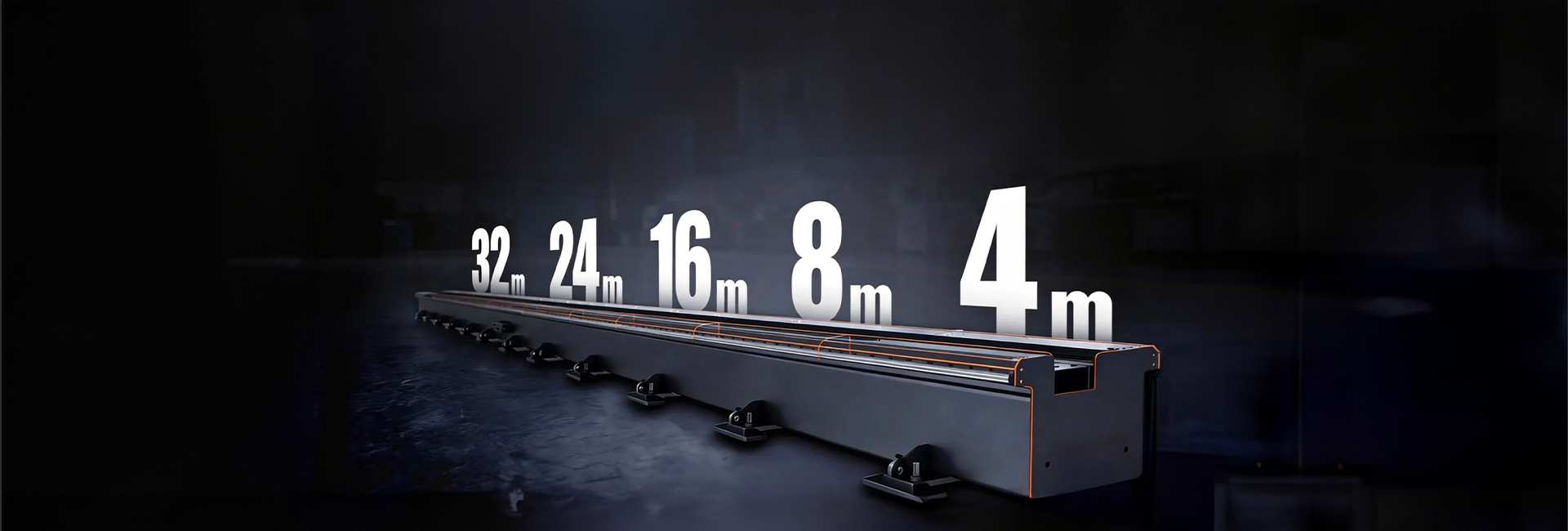

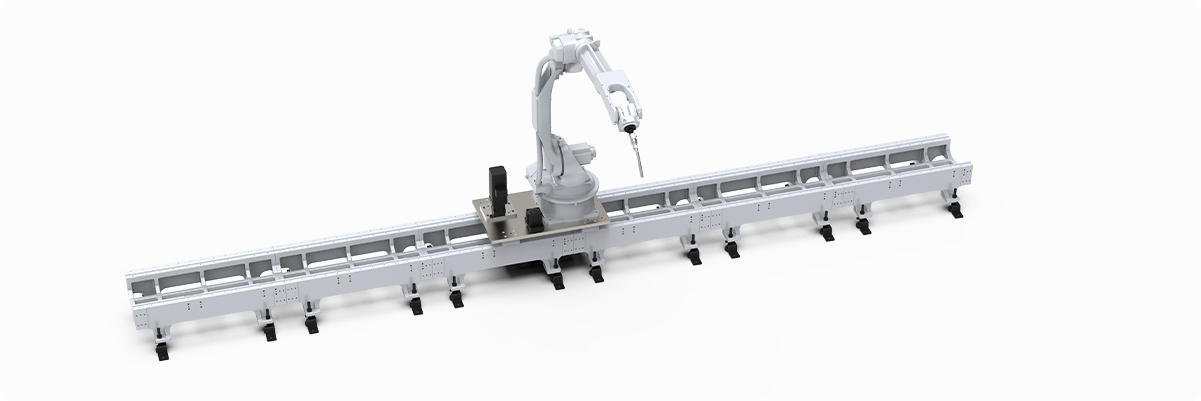
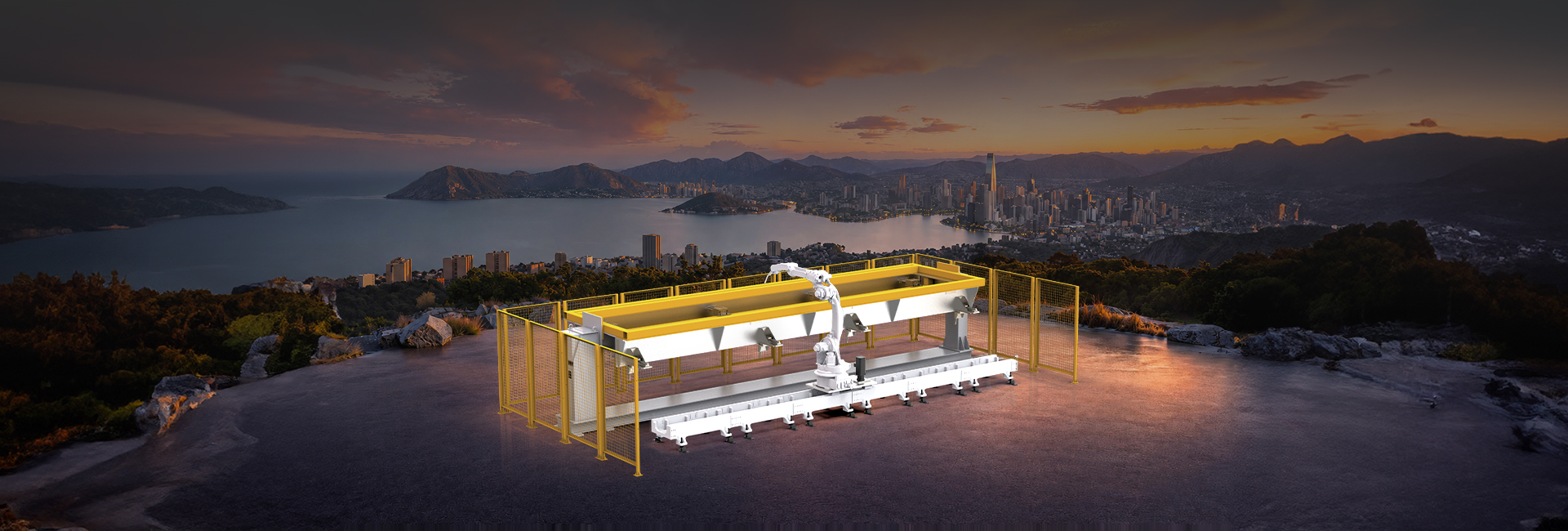
Customizable Floor-Mounted Rail System

Fully enclosed
floor-mounted rail

HIWIN 30 guide rails with
Taiwan-made gears

Automatic
lubrication

Rail length: 4/8/16/24/32 m,
customizable
No 3D Model Required
Reverse engineering and 3D modeling without drawings is easily achievable.

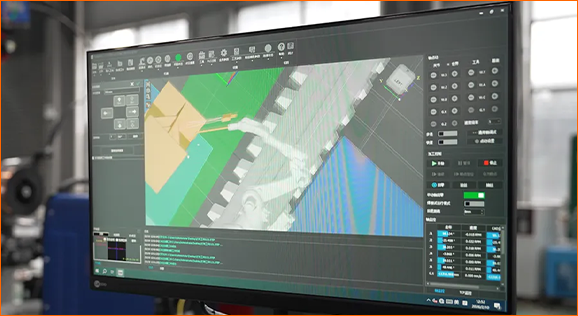
Reverse engineering without drawings
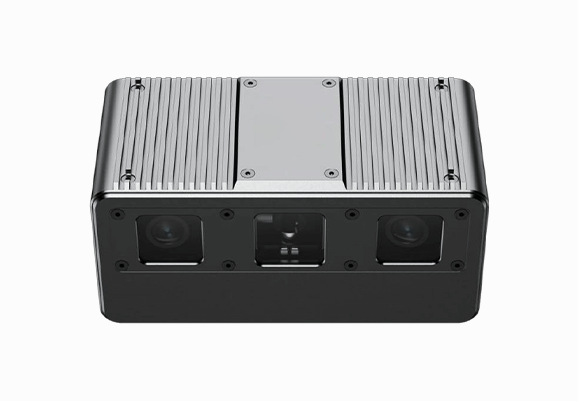
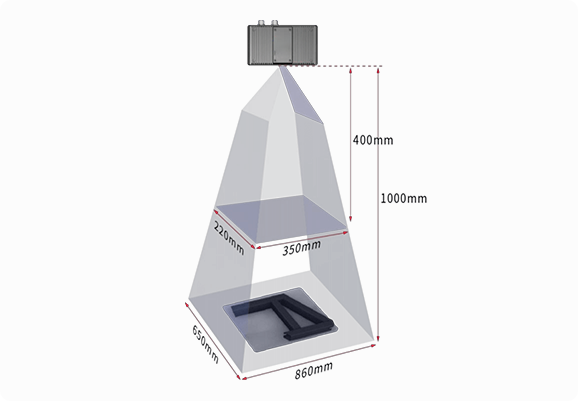
One-click workpiece scanning enables
drawing-free reverse engineering and 3D model generation.

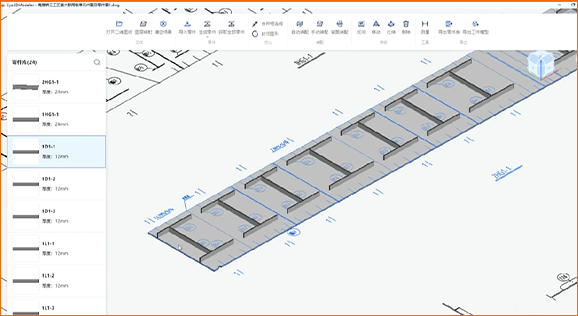
Converting 2D drawings to 3D
The intelligent system supports one-click conversion of 2D drawings
into 3D drawings.

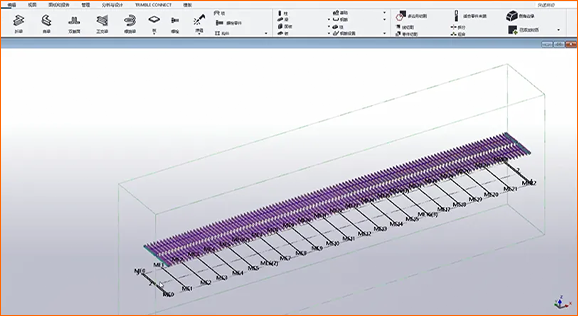
Tekla One-Click Image Removal
Deep integration with industry design
software, automatic splitting of overall components.
Quick Calibration.
Efficient Setup.
Simplify system setup and get your industrial robotic welding solution
ready for operation faster.

Industrial Robotic MIG/MAG Welding
Precision In Every Pass
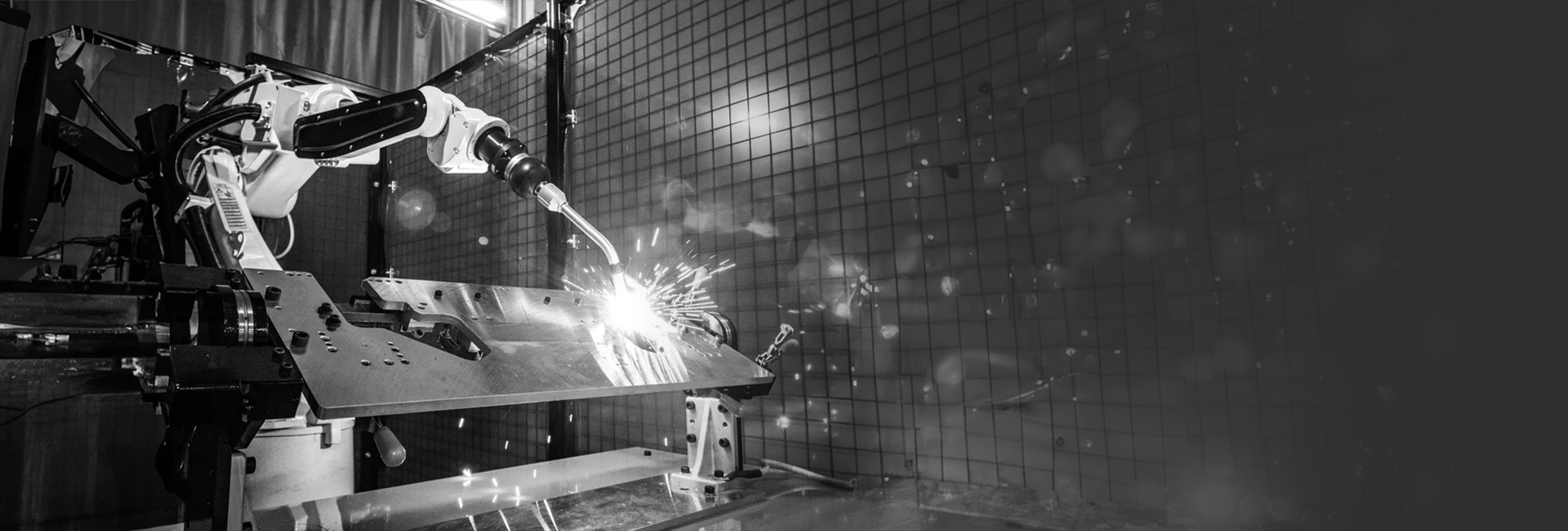
Stable robotic movement for consistent welding across demanding metal structures.

Flexible Welding Performance
Built For Complex Welds
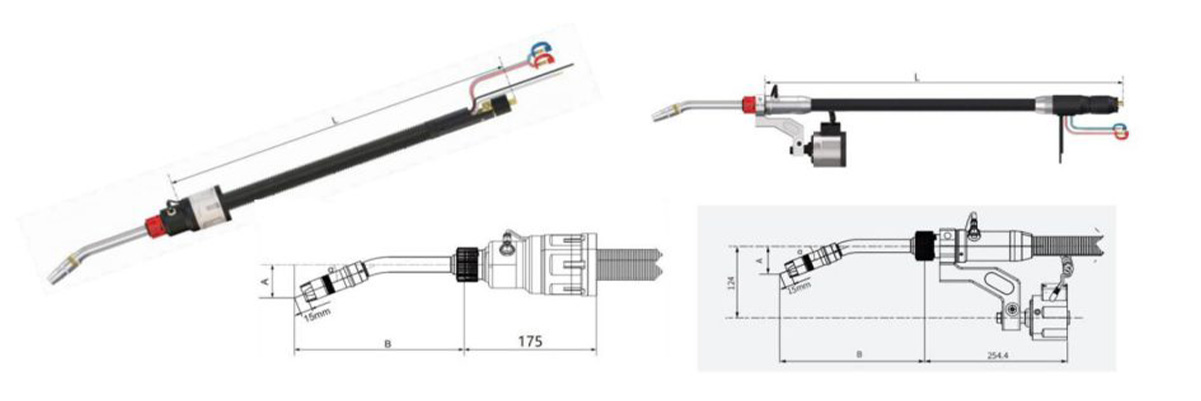
Flexible torch positioning for reliable welding in detailed and demanding fabrication applications.

Automate More Than Welding
From Thin Sheet to Heavy-Duty Fabrication
≤45 mm
Max. Weld Thickness
6-Axis
Cobot Arm
100 Sets
Weld Parameters
Adaptive Groove Tracking
For Box-Section Columns
Adapts to groove variations for more stable and consistent welding performance.
Designed for box-section column welding, the adaptive groove tracking function
helps accommodate changes in groove position and shape, supporting a smoother
welding process and more consistent results.
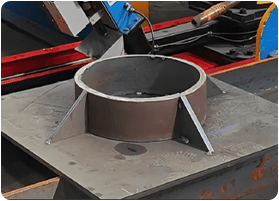
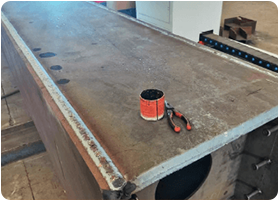
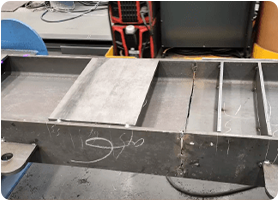
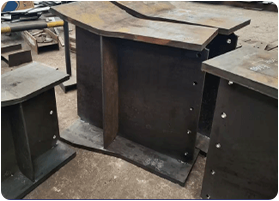
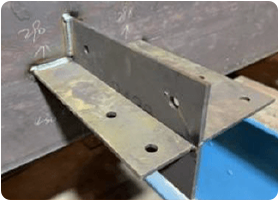
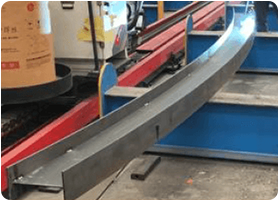
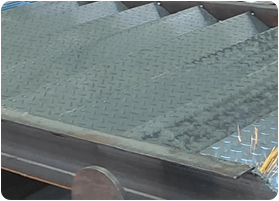
Common Workpieces
Explore MIG welding examples for various workpieces and joint configurations, and discover how industrial robotic technology helps achieve consistent penetration, uniform weld bead formation, and reliable weld quality.
Practical Application of Track-Mounted Welding Robots
-
Conference center long span beam
-
Industrial factory crane beam
-
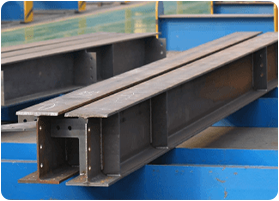
H-beams and columns welding
-
Box column butt welding
-
Steel box girder plate unit welding
-
Bridge deck longitudinal welds
-
Arch rib girth welding
-
Conference center long span beam
-
Industrial factory crane beam
-
H-beams and columns welding
-
Box column butt welding
-
Steel box girder plate unit welding
-
Bridge deck longitudinal welds
-
Arch rib girth welding
Ground track parameters
Robot:7-axis industrial robot
Welding Power Source:Aotai / Megmeet
Control System:BOCHU "teach-free" welding system
Vision System:BOCHU long-range seam tracking/finding sensor
Linear Rail:12-meter rail (length can be customized)
Application:Secondary processing of structural steel
Equipment Model:Customizable
Total Power:14 kVA (robot) + 62 kVA (welding machine)
Maximum Workpiece Width:1.2 m (rail length: 12 m; customizable)
Average Welding Speed: 0.3–0.5 m/min, Depending on the Process
Frequently Asked Questions
How is the welding path programmed?
Industrial robots are typically programmed using teach pendants, with programs written based on motion instructions.
What type of voltage does the ground-rail welding robot use?
Industrial robot: 380V three-phase 50/60Hz
What is the lifespan of a welding robot?
The oldest known UMW industrial robot dates back to 2000 and is still in service today.
Under normal maintenance, its service life is approximately 8-10 years, or even longer.
The lifespan of a robot is related to its working conditions, application scenarios, and the skill level of the operator.
Can a 5-in-1 welding machine be used with a robot?
Yes, it is fully functional and can be used in conjunction with welding robots; all functions can be performed.
What communication protocols do welding robots support?
It supports communication protocols such as RS232, DeviceNet, ProfiNet, Modbus-TCP, EtherCAT, and CC-Link.
What are the functions of the gun cleaning station equipped on a welding robot?
Its main purpose is to remove spatter accumulated inside the gas shielding nozzle of the welding torch during automated robotic welding. This ensures unobstructed gas flow, effectively preventing air from entering the welding area, thereby improving welding quality.